Lingua Franca | Award-Winning French Lessons Brisbane

French lessons, events & trips

FRENCH LESSONS EVENTS & GIFTS

Filtering by Category: French culture

Book: France An Adventure History

If you’re searching for the perfect cadeau de Noël* for the history-loving Francophile in your life, we have just le truc*. France: An Adventure History is British writer Graham Robb’s lively and vivid exploration of the key moments, faces and themes of l’histoire française*.

Spanning events from the first century BC to today, it’s ‘A quirky, amused, erudite homage to France... ambitious and original' – according to the Times.

To read more glowing reviews or place your order, suivez le lien*. 

Christmas gift | the thing | French history | follow the link


TV5 Monde Simone Veil

To say Simone Veil was une femme incroyable* is an understatement énorme*. Born in 1927, the Holocaust survivor and former avocate* was the first female President of the European Parliament – and a tireless campaigner for les droits de la femme*. 

Most notamment*, as Health Minister she presented and successfully argued the passing of the Veil Act – the 1975 law legalising abortion in France.

Learn more about the revered political figure in this short TV5MONDE video. C’est inspirant!*

an incredible woman | huge | lawyer | women’s rights | most notably | It’s inspiring!


The Other French Revolution

Most of us have heard of La Révolution française*, with its tales of out-of-touch princesses, pantless radicals (les sans-culottes*) and public beheadings by way of guillotine, but how many among us know of a much more recent, and thankfully less violent, uprising?

For the soixante-huitards*, the concerns were of a similar hue to the revolutionaries of 1789: le capitalisme*, le consumerisme* and les institutions traditionnelles.*

Driven by students at the Sorbonne University in Paris, the seven-week period of civil unrest spread throughout France and included manifestations*, general strikes and the occupation of universities and factories. At the height of the troubles, the French economy ground to a halt.

A fascinating topo* below, thanks to TV 5 Monde Plus.

Click image to play video.

*The French Revolution | *without breeches (these commoners not not literally naked from the waist down - they just couldn’t afford the fancy silk knee-breeches worn by the nobility and bourgeoisie of the time, known as ‘culottes’ and had to make do with long cotton pantaloons. I’d rise up against that, too.) | *68ers, or those who took part in the demonstrations and riots | *capitalism | *consumerism | *traditional institutions | *protest marches | *rundown

Actus français facile

Our first steps into listening to French can be slightly harrowing. My mind goes to preparing DELF students for their exams by listening to authentic audio tracks. Until I hit play, they have no idea what they’ll be faced with: are they in a train station, at the supermarket, is it a debate or simply a couple talking about upcoming holiday plans?

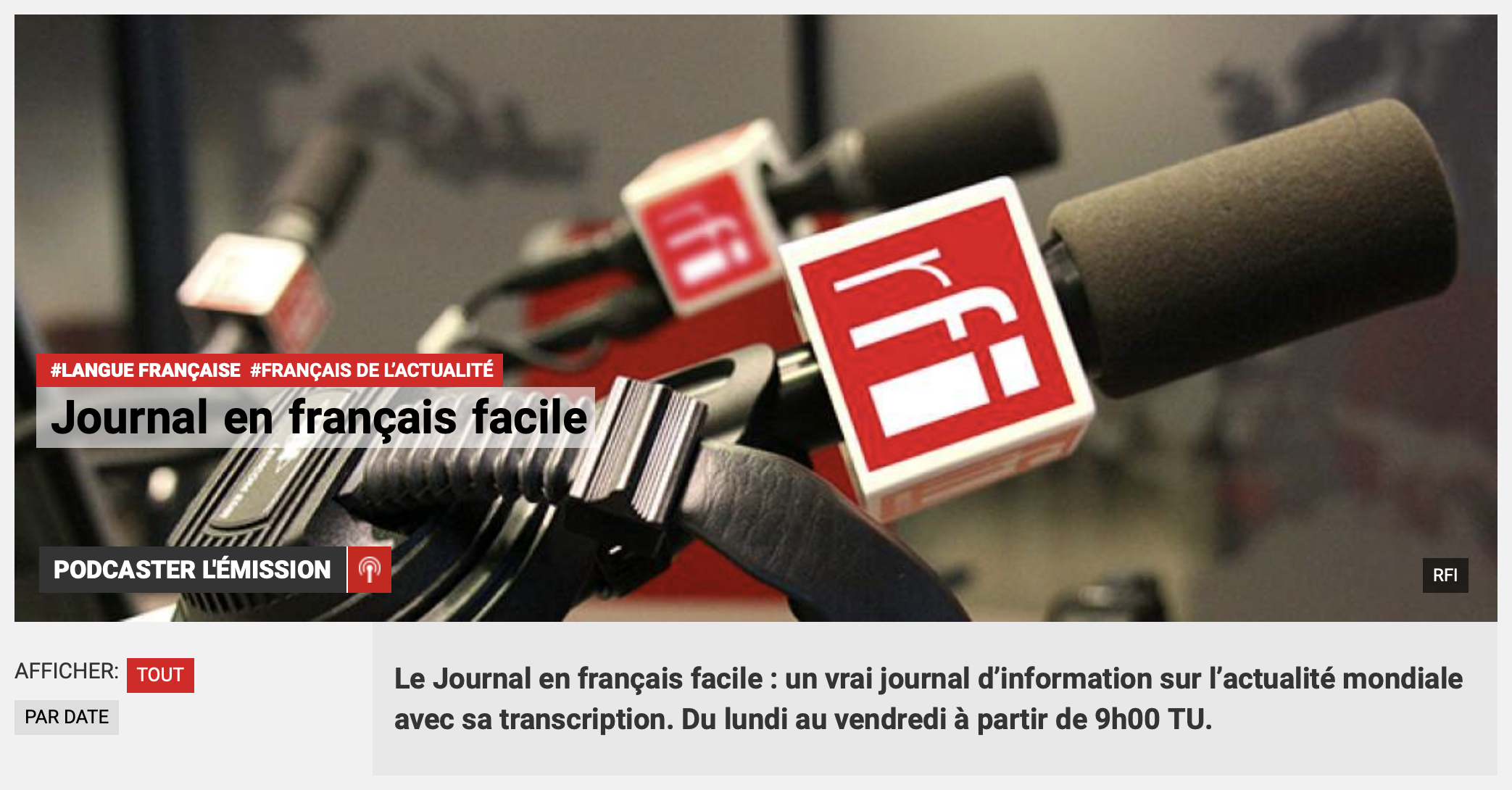
A lack of context can be a true impediment to comprehension which is why I really love Radio France Internationale’s Journal en français facile*. The subject matter is international current affairs, giving us at least some immediate context.

The language has been pared back and slowed down for a global audience, and there’s also a full transcript you can use to follow along. If you’re really keen, you could even read the dialogue ahead of time to translate any unknown vocabulary before your first listen. If you’re short on time, though, I still recommend just popping it on in the background (if only for the opening news theme which makes me feel like I’m right back in France).


*News in easy French

Breaking bread

If you’ve grown up in your country of birth, you’re likely so steeped in that particular culture that you’re unaware of the extent of the practices, customs and social etiquette you adhere to every day.

This explains why the first foray into navigating a new culture can make us so mal à l’aise* - there are just so many opportunities for embarrassment.

So let’s make a start by coming to grips with le pain* at least, in all its charming complexité*.

Un grand merci* to Géraldine from Comme Une Française* for this very helpful explainer vidéo.

*awkward | bread | *complexity | *A big thank you | *Like a Frenchwoman

Manet vs Monet

Monet

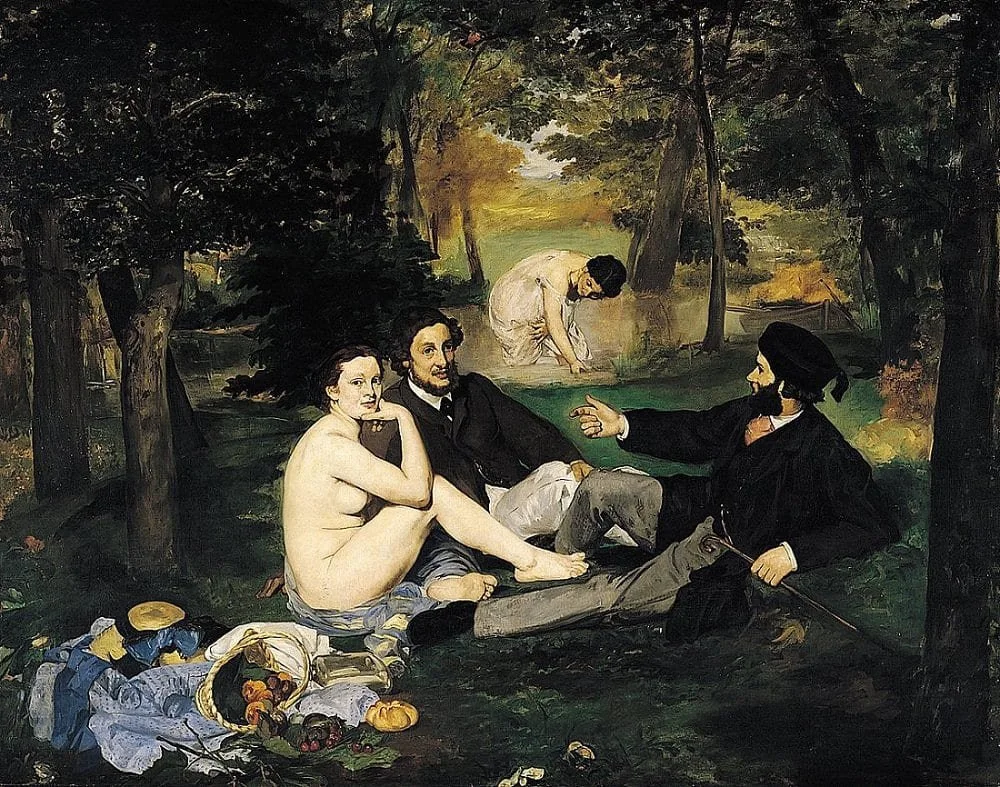
Not sure you could pick a Manet from a Monet? According to this article, it couldn’t be more simple: Manet is people, Monet is spots.

If you need a bit more to make it stick, the trick may be in their names. The ‘man’ in Manet represents the people and the ‘o’ in Monet, the dots.

Voilà* (for a start, at least).

MANET

*There you go.

The first Tour de France

Given many of you will be collés* to your TV screens from the 1st July as the Tour de France 2022 kicks off, we thought it timely to take a look back at how it all began.

If you have cinq minutes* and an interest in le cyclisme* or even simply like history, you’ll really enjoy this short video from TV5 Monde Plus.

By the way, you can choose English or French subtitles, or, if you’re really courageux*, none at all.

*glued | *five minutes | *cycling | *brave

TV5 Monde

With a fresh set of students enjoying the Club de Culture Cinéma series this term, there has been a lot of talk of les films français*.

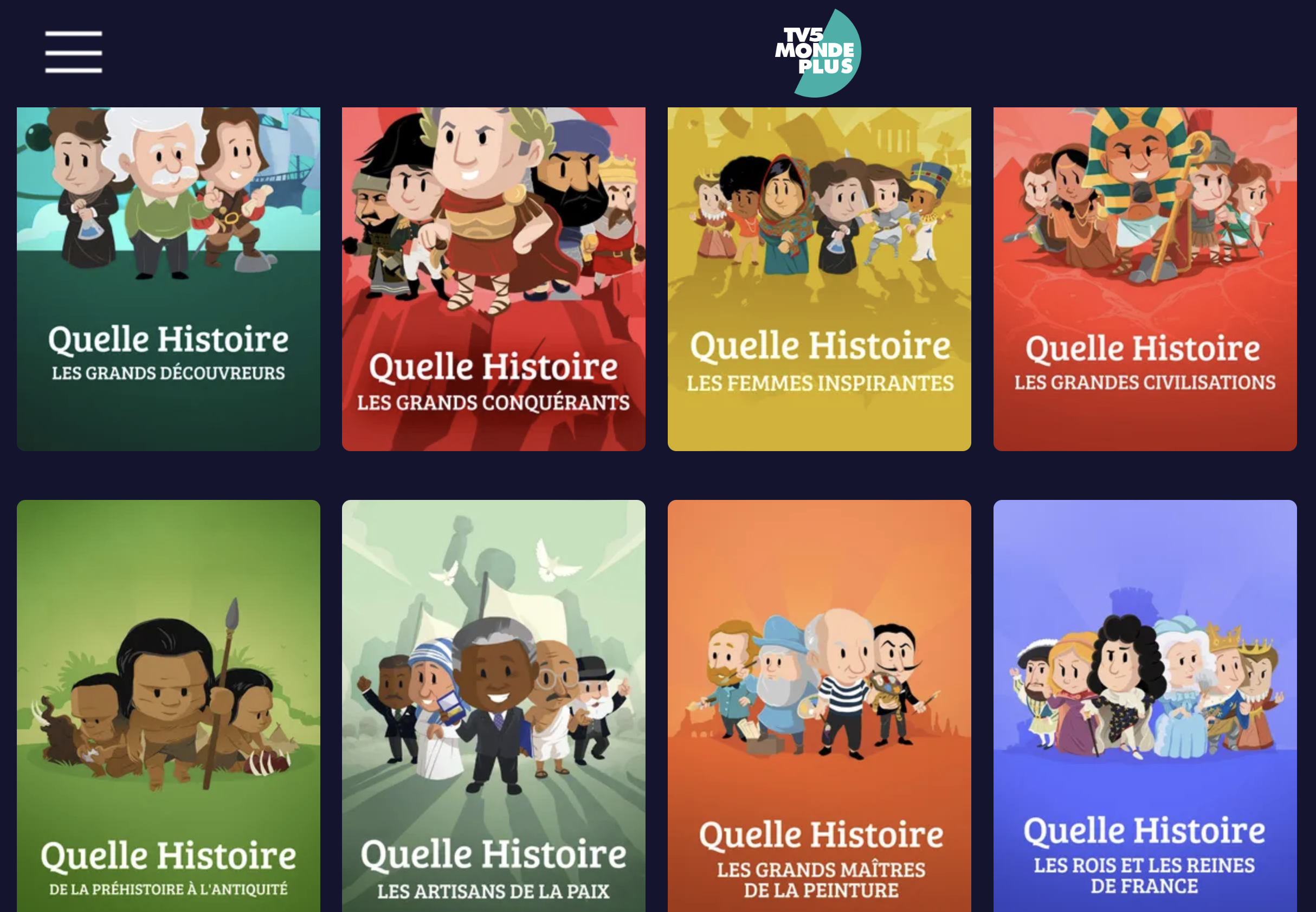
We were recommended the TV5 Monde Plus site for its enormous gamme* of French content, from movies to series to docos, and there is even a French language section. A word of warning though: I couldn’t click on that option fast enough, but noticed it was pitched more towards native French speakers, so while interesting, it’s probably something to strive for rather than likely to offer any immediate solutions to your French défis*.

That said, there’s a great little animated series called Quelle Histoire* (we’ve mentioned the books in a previous post) which are a fun watch. There is also a brilliant four-season series called La Grande Explication* which serves up five minute bites explaining iconic moments in history.

La meilleure nouvelle*? There are English subtitles on offer, giving you the choice to follow along, or turn them off for a more immersive experience.

*French films | *range | *challenges | *What a Story/History | *The Big Explanation | *The best bit of news

The Olympic Games of Words

With Paris set to host Les Jeux Olympiques* in 2024, thoughts have turned to the safeguarding of French as the official language.

While in Australia it’s fair to say we’re a nation obsessed by sport, in reading this article you may come to the conclusion that the French drive that passion towards leur langue* instead.

A read that had me giggle at the get-go, frown a few paragraphs later, pause in contemplation au milieu* before feeling queasy at the closing sentence, I couldn’t recommend this piece more highly.

Bonne lecture*.

*The Olympic Games | *their language | *in the middle | *Happy reading

Four wheels under an umbrella

If you’ve studied French for a while or had at least a passing interest in French culture, you’ll most likely have heard of the Citroën 2CV.

It may have cropped up when you learned about the tréma accent it contains (and if you’ve forgotten its impact, here’s Katrina explaining it) or perhaps you’ve heard people reminiscing with beaucoup d’affection* about their travels around France in the 70s and 80s behind the wheel of one of these très petites voitures* or TPVs as they were known in the Citroën factory.

André Citroën had dreams of being the Henry Ford of France but this politically ambitious man was unfortunately also un joueur invétéré*, and soon ran into financial difficulty.

Fortunately, the newly installed patron*, Pierre Boulanger (who, had he been born on British soil would have been plain old Peter Baker) inherited a talented team of engineers. Pierre enjoyed walks in the countryside, and was taken by the pace of the farmers in horse-drawn carts who kept gentle rhythm with their chevaux*. He decided to replace the deux chevaux with deux chevaux-vapeur*, and the idea for the 2CV was born.

A simple edict to the engineers followed:

I’m no engineer, but with only 2CV under the hood, you’d imagine the Citroën 2CV is not exactly at risk of getting away from you on the open road. James Bond, however, would disagree, and a nun with a lead foot gives Louis Funès a lift he’ll never forget in this charming petite vidéo*.

*lots of affection | *very small cars | *chronic gambler | *boss | *horses | *horsepower | *little video

Papier dominoté

If you have an eye for design, you’re going to love indulging in your own research à propos du papier dominoté*. So what is the name of the craft behind it and what is it exactly anyway?

The charmant* website Madame Décore gives this definition:

Dominoterie : désigne la conception, la fabrication ou le commerce de papiers peints et imprimés en couleur de motifs géométriques ou floraux que l'on trouve fréquemment à l'intérieur des coffres, des armoires, des tiroirs, mais également dans les cartons à chapeaux et même les cheminées. Très en vogue au XVIIIème et début du XIXème siècle, le papier dominoté servait de garnissage pour les livres et le mobilier, en ce temps où chaque détail avait son importance.

Dominoterie : refers to the design, production or trade of colour-printed and painted paper in floral or geometric design which one often finds on the inside of chests, wardrobes and drawers, but also in hatboxes and even chimneys. Very fashionable in the 18th and beginning of the 19th century, papier dominoté was used as the trim for books and furnishings, at a time when every detail mattered.

Le papier dominoté
is experiencing a resurgence in popularity actuellement*. Not sure you're ready to commit to a whole wall of pattern? How about framing a more modest échantillon* as a nod to this fine craft? Start here.


Source: site web Madame Décore

*about papier dominoté | *charming | *currently | *sample

The new Call My Agent?

If you’re anything like us, the wait for the fabled fifth series (and film!) of Call My Agent commence à traîner*, so if you’re casting about for a stand-in, why not try Standing Up instead?

The latest offering from Fanny Herrero (who also happens to be the showrunner of Dix Pour Cent*) is available on Netflix right now.

Here’s what she has to say about it:

“Drôle, il faut le prendre dans tous les sens. “Drôle” comme ce qui fait rire, évidemment, mais aussi “Drôle” comme ”étrange”, “singulier”, qui ne ressemble pas aux autres.”
— Fanny Herrero, créatrice de Stand Up.

Picture : ft.com

“Funny, you have to take it in all senses. ‘Funny’, as in, something that makes you laugh, obviously, but also ‘funny’ as in ‘strange’, ‘different’, that which is unlike anything else.”

Jetez un œil*…

*is starting to drag | *literally ‘Ten Per Cent’ | *Take a look…

Chanel

The Gabrielle Chanel: Fashion Manifesto exhibition at the National Gallery of Victoria inspired us to do a bit of digging into her back catalogue.

For a period of time in the 80s, the Chanel brand was considered fusty and démodé*. The arrival of Karl Lagerfeld in 1983 quickly put paid to that, but what is so striking is that her iconic designs, many of which appeared for the first time in the 20s, feel so fresh and contemporary today.

Jetez un œil*.

*out of fashion | *Take a look

La Piscine

A few of us went to see la version remasterisée* of Plein Soleil* recently, starring Alain Delon as the duplicitous Tom Ripley and Maurice Ronet as his favourite frenemy, Dicky Greenleaf. If the characters’ names sound familiar, it’s likely you saw the 1999 American remake called The Talented Mr Ripley starring Jude Law, Matt Damon, Gwyneth Paltrow, Philip Seymour Hoffman and our own Cate Blanchett.

In the same vein and once again pairing Alain Delon and Maurice Ronet is the 1969 classic La Piscine*. The movie also stars the stunning Romy Schneider and an extremely young Jane Birkin (mother of Charlotte, wife of the inimitable Serge and the inspiration for the Hermès Birkin bag).

La Piscine is un film à huis-clos, meaning a movie that takes place in one location. Huis is a literary word for front door and clos means closed, so it is literally a film (or theatre piece) where the plot unfolds behind closed doors. Despite the languid beauty of the holiday home in the hills of the Côte d’Azur, there is a foreboding sense of claustrophobia which leads to mounting tension and culminates in a very uncomfortable scene in the titular piscine.

The plot is well-executed and there are some very strong performances, and as noted in the bande annonce* below, it stars four of the most photogenic actors ever, and for that alone it is worth a watch. Recommandé*.

Le film entier* is available here on Youtube.

Attention*: there are no English subtitles, so this is the perfect opportunity to simply let the language wash over you, si vous me pardonnez ce jeu de mots*.

*the remastered version | *literally Full Sun but called Purple Noon or Blazing Sun in the English title | *The Swimming Pool | *trailer | *Recommended | *The whole film | *if you’ll pardon the pun