Lingua Franca | Award-Winning French Lessons Brisbane

French lessons, events & trips

FRENCH LESSONS EVENTS & GIFTS

Filtering by Category: Traditions

Embracing the French Sunday

If your Sundays are spent frantically washing, grocery shopping and meal prepping for the week ahead, the French would tell you, you’re doing it wrong. In France, productivity has no place in your day of rest, with many shops closed – and nobody up in arms about it.

Intentionally languid, low-stress and filled with family, food and aimless strolls, French Sundays are an institution. Brunch plans? Far too much pressure. Sleep in instead, then savour a croissant.

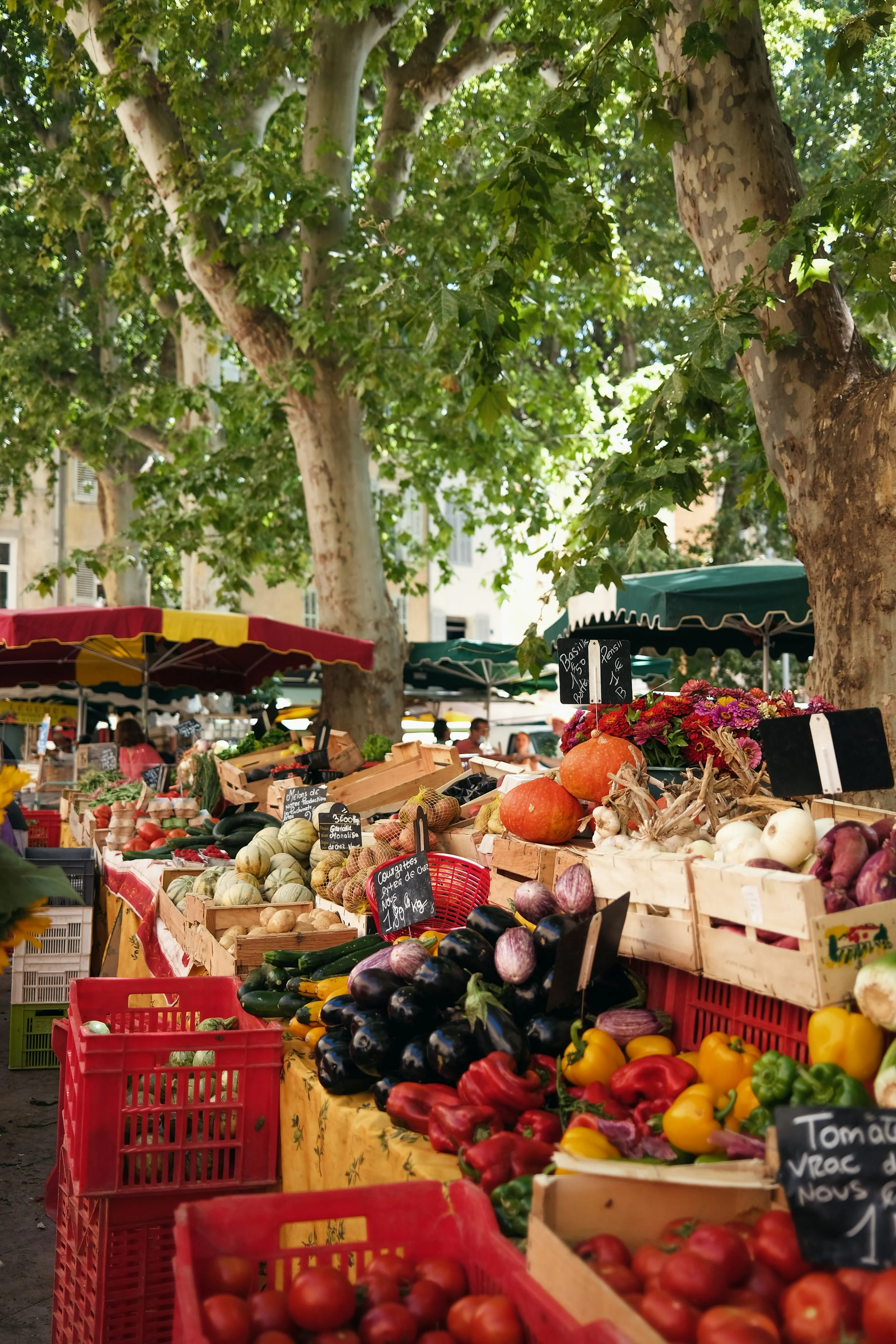
To-do lists are out, and daydreaming is in. Other approved activities include browsing farmer’s markets, doing a puzzle while listening to music and, *bien sûr, making time for some romance.

Here's how to have the perfect French Sunday.

* of course

Une loterie d'amour

French may be the language of love, but romance hasn’t always run smoothly for its inhabitants. A traditional custom called *la loterie d’amour (love lottery) used to see single male suitors stand outside the homes of single women and call out until they were paired off. If the man found his partner-to-be displeasing, he’d head for *les collines.

In retaliation, the scorned women would then band together and start a bonfire, burning images of the men and cursing them. Eventually, this practice was banned by the government, and more palatable traditions took its place.

*the hills

What does Père Noël drink?

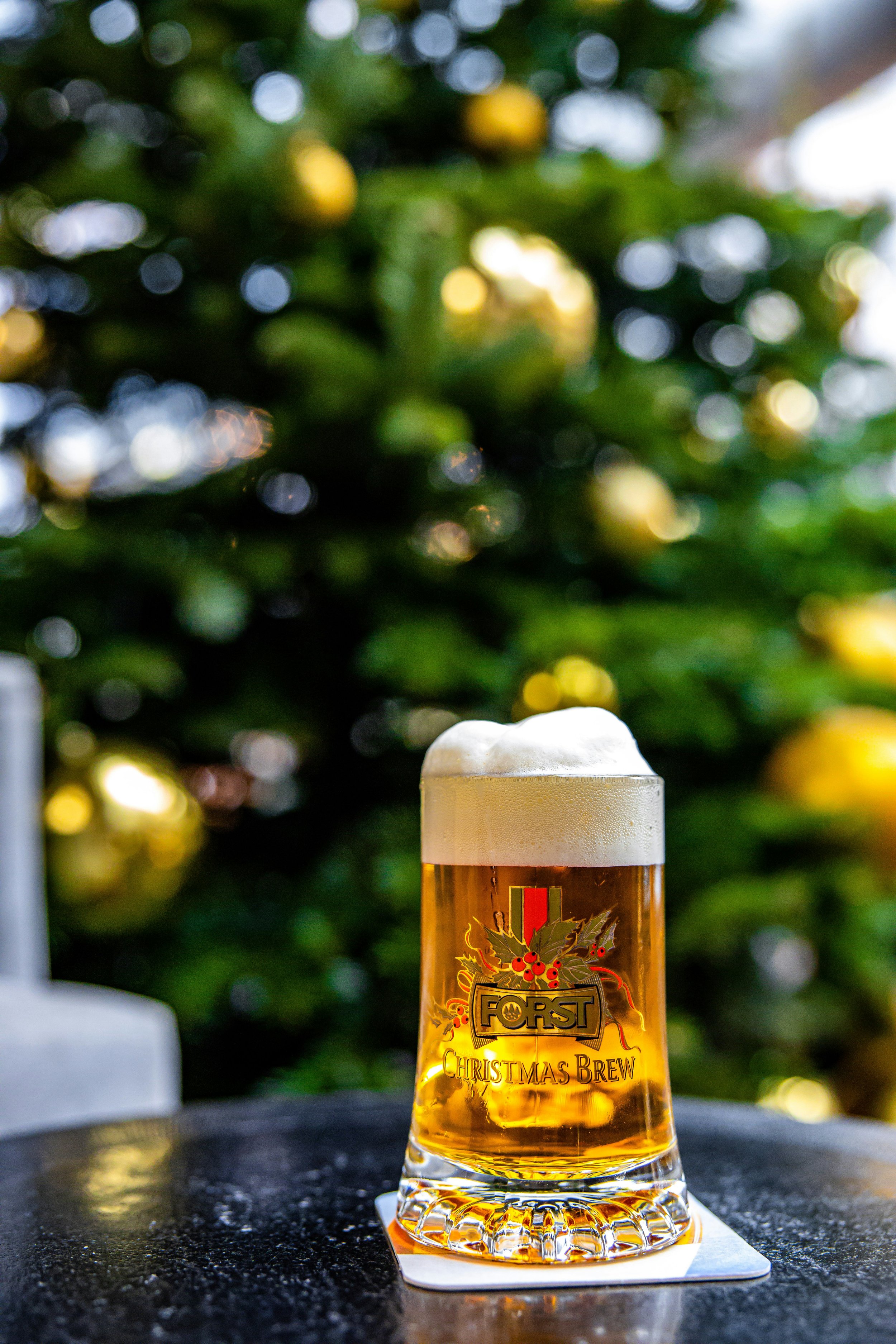
As you’re putting out a cold one for Santa this réveillon de Noël*, spare a thought for Père Noël*. The traditional treat to refuel Father Christmas in France is a plain old glass of milk.

Children also fill their shoes with biscuits and carrots (for the reindeer), which are replaced with sweets and gifts as they slumber.

The French natives in le nid* may find our beery tribute odd, but we’re not alone. Here are the countries who think Santa might need a stiff drink amidst all the stocking stuffing.

*Christmas eve | *Father Christmas | *the nest

Lingua Franca Noël Gift Guide

Looking for the perfect cadeau de Noël* for the fellow francophile in your life? Look no further. From food to fashion to something to read by la piscine*, our team has the perfect suggestion – no trip abroad (sadly) required.

Marion
Un
sac Abel de chez Sézane.
An Abel bag from Sezane.

Alicia
Du
foie gras de chez France at Home.
Foie gras from France at Home.

Alexia
Un dîner à
La Cache à Vin.
A dinner at La Cache à Vin (Spring Hill).

Katrina
Du
saucisson à acheter ou commander en ligne – Le Fromage Yard.
Sausage to buy or order online – Le Fromage Yard (Morningside).

Angéline
Le livre
‘Kilomètre Zéro’ de Maud Ankaoua – Abbey’s Bookshop.
The book ‘Kilometre Zero’ by Maud Ankaoua.

Justine
Un
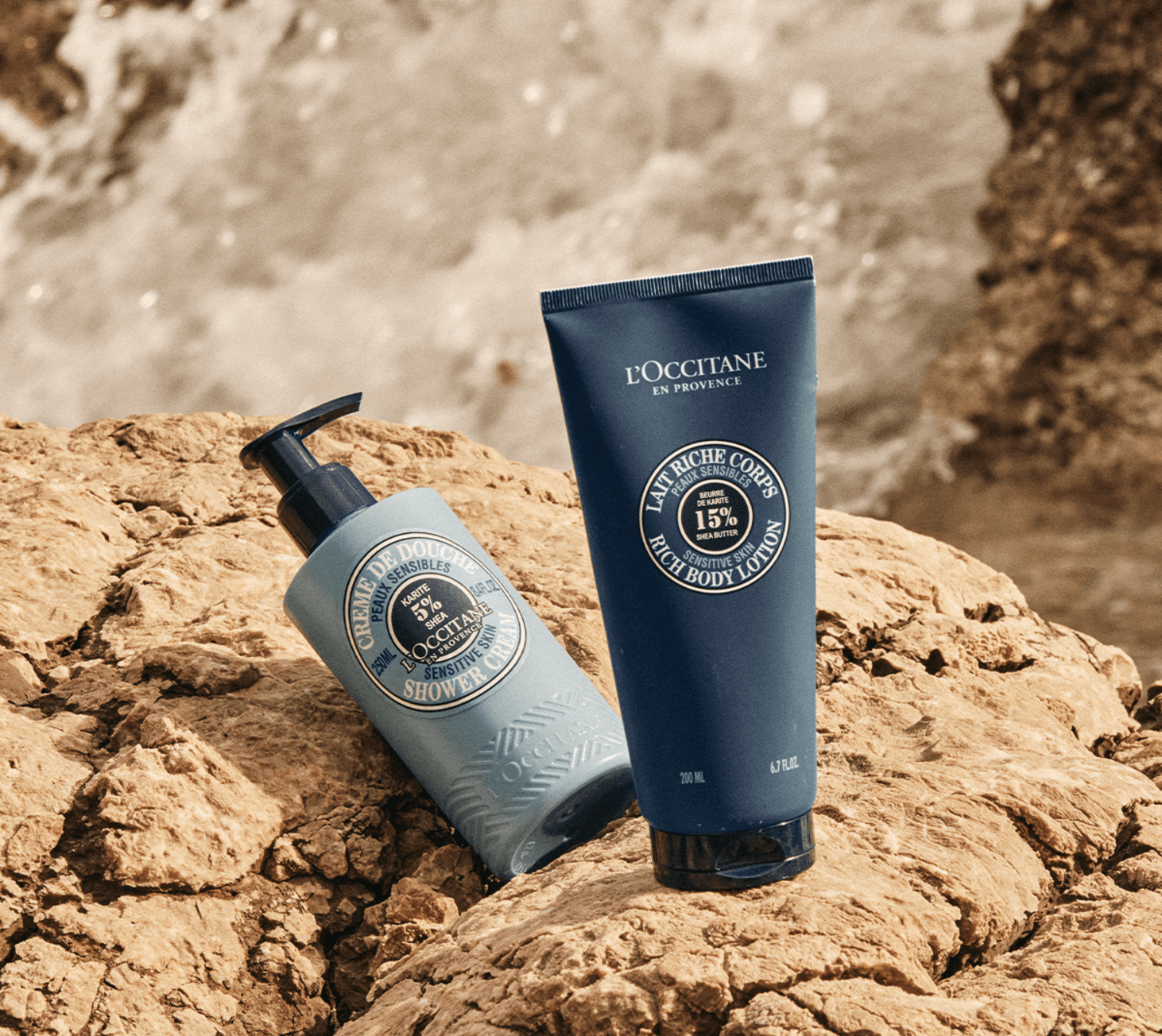
coffret de produits cosmétiques chez l'Occitane.
A box of cosmetic products from L’Occitane.

*Christmas gift |*the pool

Ortolan

“There is a dish so aromatic, so indulgent, so cruel, that it is meant to be eaten with a towel draped over the diner’s head – both to keep in the smells and, perhaps, to hide one’s face from God.”

So says a Gastro Obscura article about an illegal French delicacy involving a tiny songbird, Armagnac brandy and a cast iron stomach. Not to mention a black-market fee approaching €150.

Eating lunch? We suggest you come back later… Otherwise, gird your loins for an interesting read about ortolan. 

*cast iron stomach

Source : www.francebleu.fr

Who Speaks French?

How much do you know about the French language? Who speaks it and where do they live? If you’re up for a translation challenge, this article provides some interesting insights. Or, if you want to take the easy route, we’ve pulled out the key facts below.

But before you take a peek, can you deviner* how many Francophones there are around the world? If it helps, the total number of English speakers is environ* 1.5 billion…


Drapeau de la francophonie

French is…

  • The official language of 30 countries. This represents more than 300 million people, half of whom live in Africa.

  • The world's fifth-most spoken language after Mandarin, English, Spanish and Arabic or Hindi.

  • The only language spoken on 5 continents (besides English).

  • The second most taught language in the world.

Francophones (French speakers)…

  • Number around 274 million, globally.

  • 212 million are native speakers, while 62 million have learned French as a second language.

  • Have a total income representing about 5% of the world economy (while making up only 1.5% to 2% of its population).

    *guess | *around

The Ultimate Snack?

Récemment*, an American mother in Paris created quite the social media storm by posting a video of her child’s after-school snack to TikTok. The meal in question? A chunk of baguette filled with chocolate and beurre salé.*

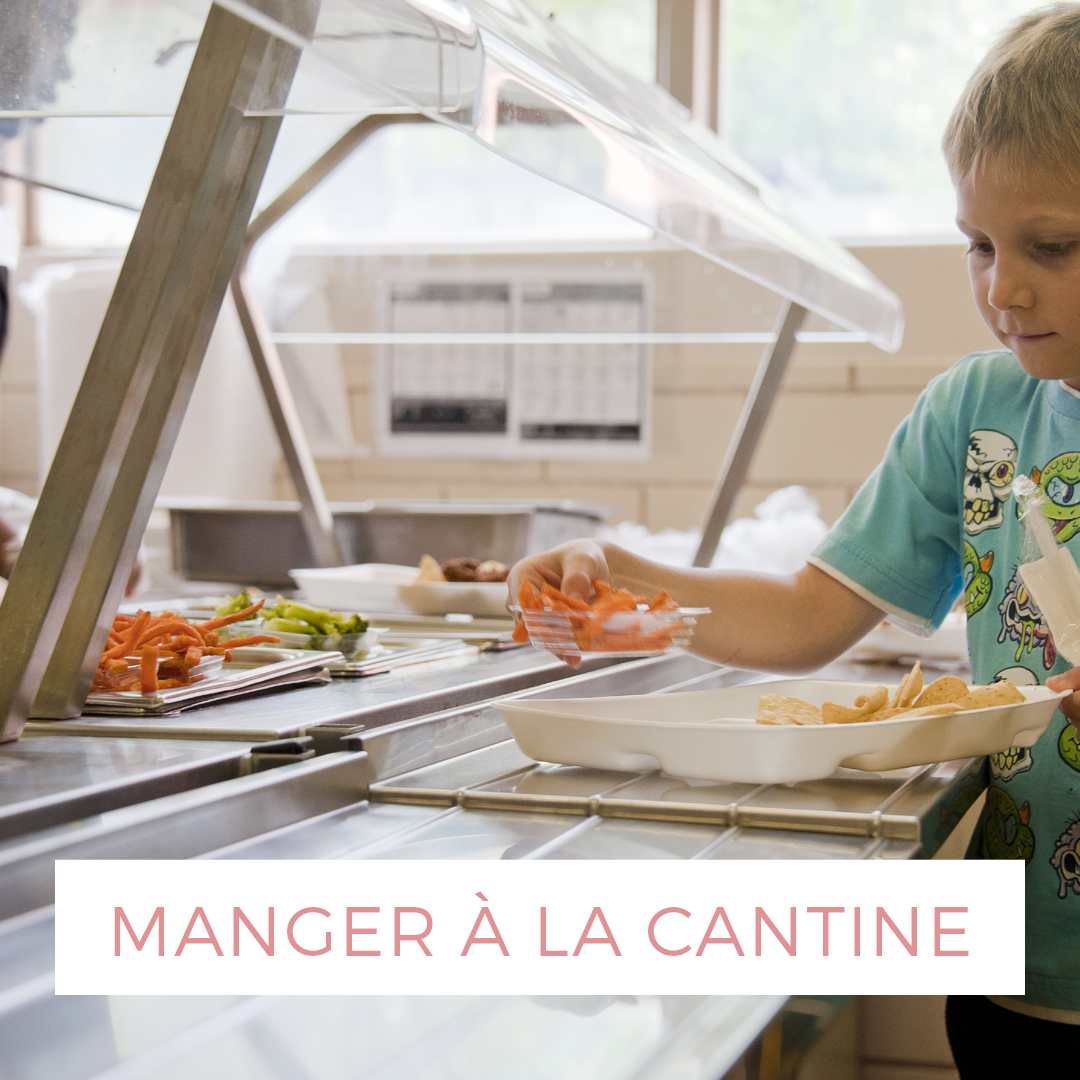
While Aussie dietitians would likely choke on their activated almonds, this is apparently a common delicacy among French children for le goûter*. With goûter meaning ‘to taste’, le goûter is the sweet afternoon snack les enfants* enjoy around 4:30pm when the bell rings. 

Served by parents and after-school carers, this non-negotiable snack is designed to tide les petits* over until dinnertime. It might simply consist of yoghurt and fruit. But if you're lucky, you'll score a couple of cookies, pain au chocolat, or Nutella on bread. The TikTok goûter in question is also popular.

One thing that’s a little contentious, however, is the addition of salted butter. “Baguette + chocolate bar + BUTTER. Butter is compulsory for me, not an option! But never salted, beurk*,” says LF’s Josephine. What do you think, les chouchous*? Is salted butter a ‘oui’ or a ‘non’ for you?

*Recently | *salted butter | *afternoon snack | *children | *the little ones | yuk! | *teacher’s pets

Breaking bread

If you’ve grown up in your country of birth, you’re likely so steeped in that particular culture that you’re unaware of the extent of the practices, customs and social etiquette you adhere to every day.

This explains why the first foray into navigating a new culture can make us so mal à l’aise* - there are just so many opportunities for embarrassment.

So let’s make a start by coming to grips with le pain* at least, in all its charming complexité*.

Un grand merci* to Géraldine from Comme Une Française* for this very helpful explainer vidéo.

*awkward | bread | *complexity | *A big thank you | *Like a Frenchwoman

La Bûche de Noël*

Source : marieclaire.fr

Savez-vous que*…

La Bûche de Noël is the traditional cake served at Christmas in France. If you’ve been interested in French language, culture or cuisine for a little while, you may very well already know this. However, do you know the origins of this most recognisable of desserts français*?

Tradition has it that on the longest night of the year (le solstice d’hiver*), French pagans would burn an enormous log to stave off the freezing temperatures, bien sûr*, but also as an offering to the gods to ensure a plentiful harvest in the coming year.

While it’s unlikely you’ll want to recreate the heat of a burning log in our sweltering southern climes, you may wish to set yourself the challenge of making this spécialité hivernale*. Voici la recette* (it’s in French but if you need some help, just click on any term for the English translation. Bon courage!*

*The Christmas Log | *Did you know that | *French desserts | *the winter solstice | *of course | *winter specialty | *Here’s the recipe | *Good luck!

Christmas shoes

Savez-vous que*…

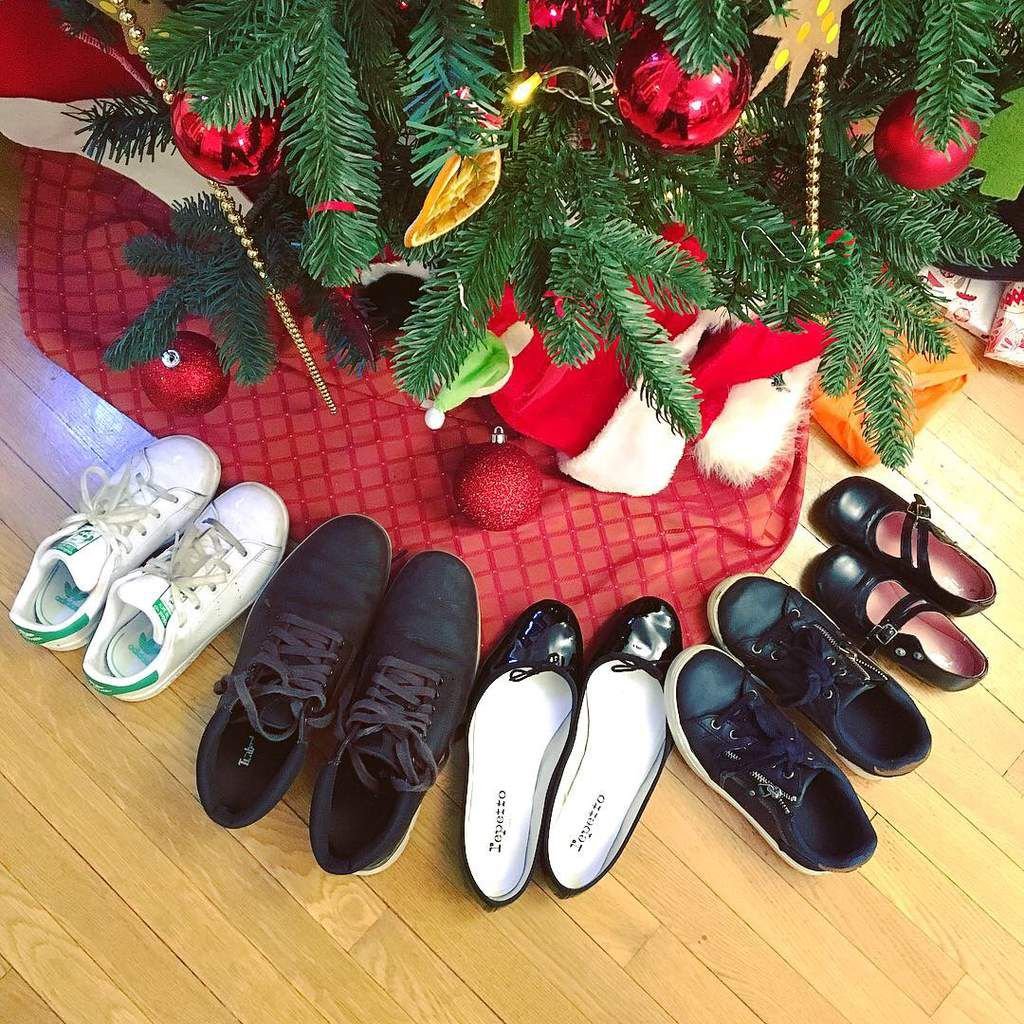
French children put out their chaussures* instead of their stockings in the hope that Père Noël* will fill them to the brim with cadeaux*?

Voici l’histoire*, thanks to French leather goods site Cirage et Compagnie*.

On raconte qu'un jour qu'il passait devant la maison de trois petites sœurs pauvres pour se réchauffer devant la cheminée, Saint Nicolas leur offrit quelques pièces de monnaie pour les aider.

Les piécettes glissèrent dans les chausses que les fillettes avaient mis à sécher devant le foyer de la cheminée. Ce n'est qu'après sa visite, qu'elles découvrirent la surprise en se réveillant.

Les bonnes choses se sachant vite, la rumeur s'est répandue et depuis, le soir du réveillon, chacun met ses chaussures ou ses chaussettes devant la cheminée ou bien au pied du sapin avec l'espoir d'y trouver quelque chose le lendemain matin.


It is said that once upon a time, as Saint Nicholas passed by the front of the house of three poor little sisters, he asked to warm himself in front of their fire and offered them a few coins to help them out.

He slipped the little coins in the pantaloons that the young girls had placed to dry in front of the chimney. It was only after his visit, when they woke up the next morning, that they discovered the surprise.

Good news travels fast so the rumour got around and ever since, on Christmas Eve, children put their shoes or slippers in front of the chimney or even at the foot of the Christmas tree in the hope of finding something the following morning.

Mignon, non*?

*Did you know that | *shoes | *Father Christmas | *presents | *Here’s the story | *Wax & Co. | *Cute, isn’t it?

Père Fouettard

Les gens* often lament that things are just not like they used to be, and in many cases, it’s a fair complaint. The world seems to be changing at warp speed and it’s tempting to want to grasp on to the familiar.

However, there are certaines circonstances* when change is a positive thing and Père Fouettard is one of them!

No longer d’actualité* (you’ll see why soon), Père Fouettard (Father Whipper or Old Man Whipper) is a fictional (we hope!) character who accompanies Père Noël* on his rounds during Saint Nicholas’ Day on the 6th December. The story goes that while jolly Père Noël is busy handing out gifts aux enfants sages*, Père Fouettard dispenses lumps of coal to the naughty children. Fouetter is the verb ‘to whip’ in French and this is where this villain gets his name - he’s known to whip those rascals who have not been on their best behaviour all year.

As though that’s not disturbing enough, an alternative tale goes like this:

“An innkeeper (or a butcher in other versions) captures three boys who appear to be wealthy and on their way to enrol in a religious boarding school. Along with his wife, he kills the children in order to rob them….They drug the children, slit their throats, cut them into pieces, and stew them in a barrel. St. Nicholas discovers the crime and resurrects the children. After this, Père Fouettard repents and becomes St Nicholas' partner.”

Quelle horreur
*!

Source: Wikipedia

*People | *certain circumstances | *in common usage | *Father Christmas | *to the good children | *What horror!

Le Réveillon de Noël*

Though today only about 15% percent of French citizens declare themselves practising Catholics, there was a time towards the end of the 19th century when that number was 98%.

This could explain the French tradition of celebrating Christmas on the 24th December with a very late dinner, usually eaten upon their return from Mass and often kicking off at about midnight.

Naturally, things have changed since then and many families celebrate with an earlier dîner* on Le Réveillon de Noël with some even waiting for the 25th to celebrate.

While in the most religious of families the Christmas meal was deliberately simple (for example une soupe aux légumes*) as a reminder that Jesus was born into poverty, today the meal is often a veritable festin de Balthazar* and can include foie gras*, huîtres*, queues de langoustines*, saumon fumé*, champagne* and the traditional bûche de Noël, of course.

Délicieux*!

*Christmas Eve | *dinner | *vegetable soup | *feast fit for a king | *foie gras | *oysters | *lobster tails | *smoked salmon | *champagne | *Christmas log | *Delicious!

Cher Père Noël*

Savez vous que…*

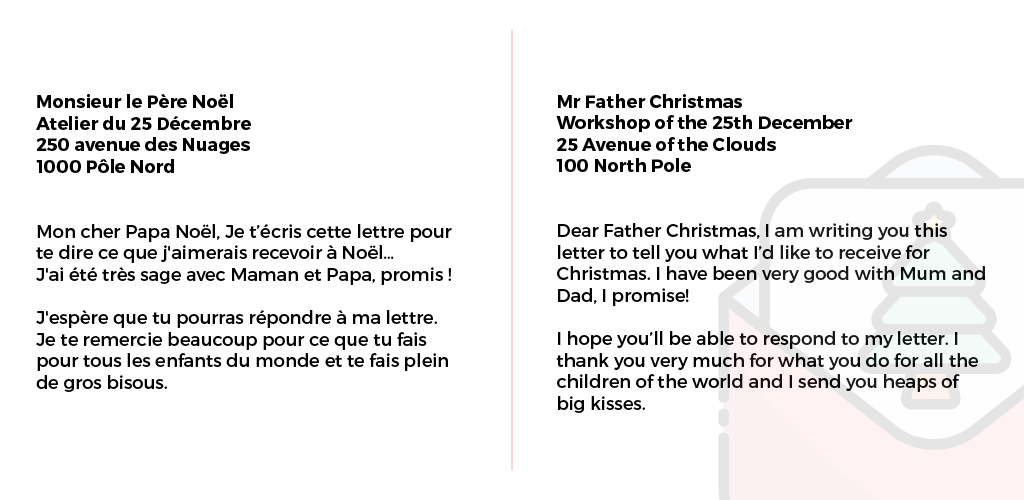
Since 1962 it has been French law that every letter written to Père Noël* will be responded to in the form of a carte postale*? C’est vrai*!

La Poste (the French version of Australia Post) even has several versions of suggested texts to help les enfants* express their dearest wishes, as well as various addresses, all of which will ensure accurate delivery. C’est tellement mignon*. Here’s the full story.

*Dear Father Christmas | *Did you know that… | *Father Christmas | *postcard | *It’s true | *children | *It’s so cute

La rentrée

You may have heard some talk about la rentrée* earlier this month, as French children were preparing to head back to school.

While la rentrée definitely describes the return to school after the long summer holidays in France, it is also used more broadly among the rest of the population.

In August, virtually the whole of France slows to a crawl, with not only schools but many businesses, restaurants and even the government shutting up shop for the hottest of the summer weather.

Almost everyone takes a holiday away from their home town. The most privileged may eye off international experiences and those on more modest budgets may faire du camping*. Regardless of the destination, le but* is to leave behind le quotidien* for a chance to changer les idées*. It’s for this reason that la rentrée holds such weight in the French culture. Come the start of September, it’s time to pack away the togs, get ready for school or work and look forward to a new year.

Whether that evokes excitement or apprehension probably rests on the quality of les vacances…*

*start of the school year | *go camping | *the aim | *the everyday | *to take one’s mind off something | *the holidays

Le Bal des Pompiers

In July’s issue of Le Chouchou News we promised you a story about the famous Bal des Pompiers* which takes place on the evening of La Fête Nationale* which, as you know, is le 14 juillet*.

So how did it all start?

In 1937, bystanders from main parade on the Champs Élysées followed some of the firemen back to their caserne* in Montmartre. The fire chief made the fateful decision to open the doors to that tenacious group and a party ensued.
More than 80 years later, the Bal des Pompiers is still going strong and is a much-anticipated annual event, perhaps even more so than the parade itself for les fêtards*, at least.

D’où vient le Bal des Pompiers? | Where does the Firemen’s Ball come from?

*The Firemen’s Ball | *Bastille Day | *on the 14th July | *fire station | *party animals