Lingua Franca | Award-Winning French Lessons Brisbane

French lessons, events & trips

FRENCH LESSONS EVENTS & GIFTS

Filtering by Category: Vocabulary

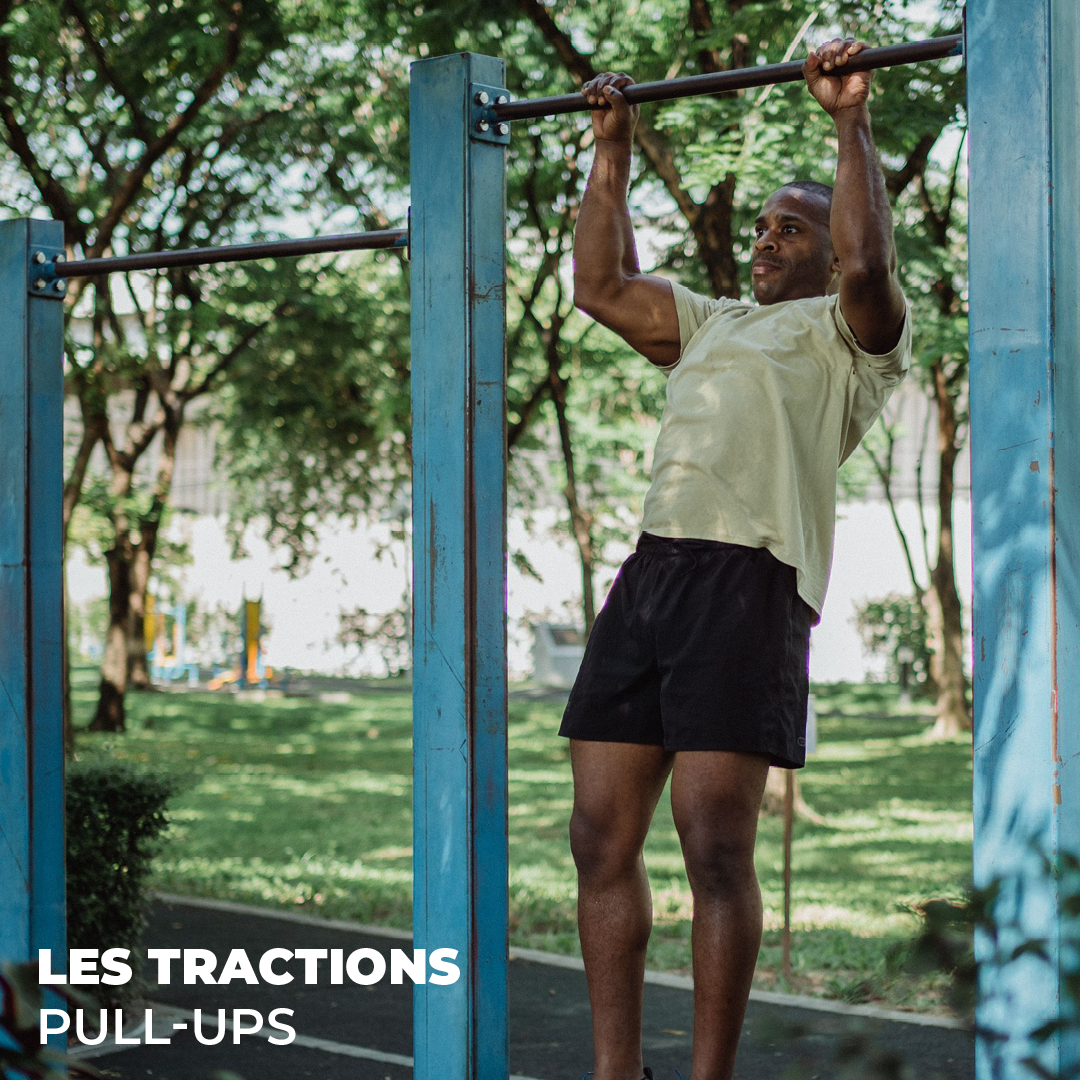
Word Power: Tirer

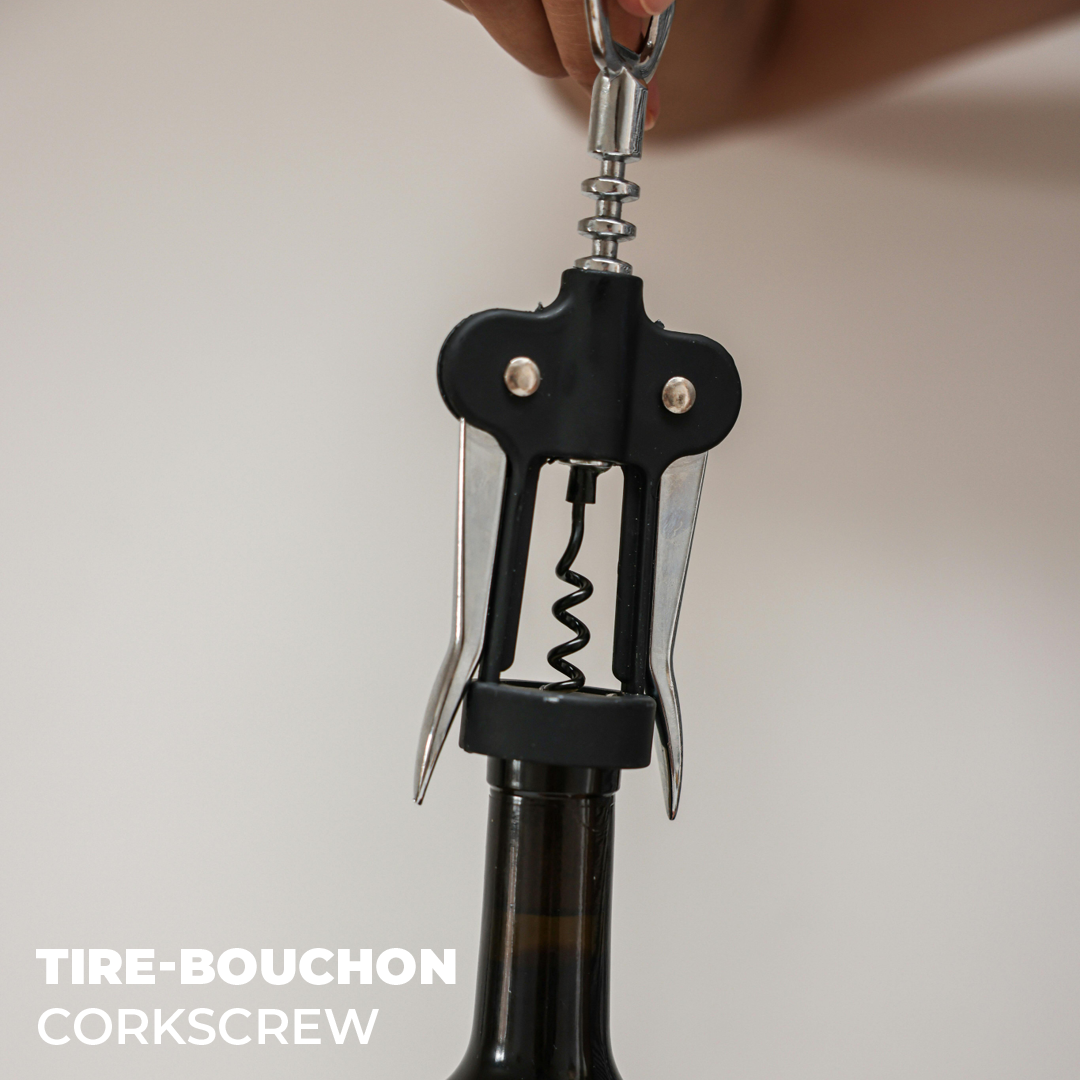
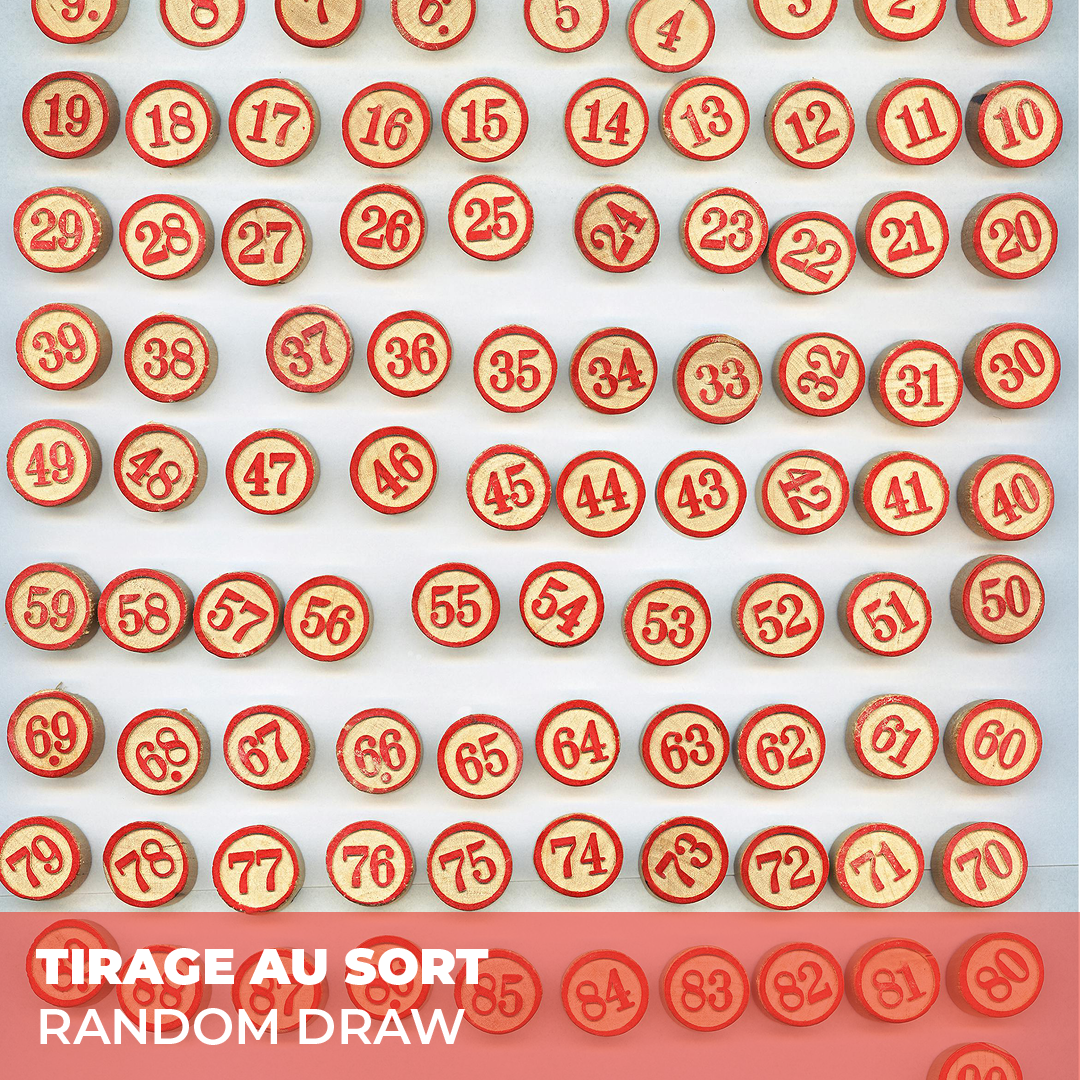
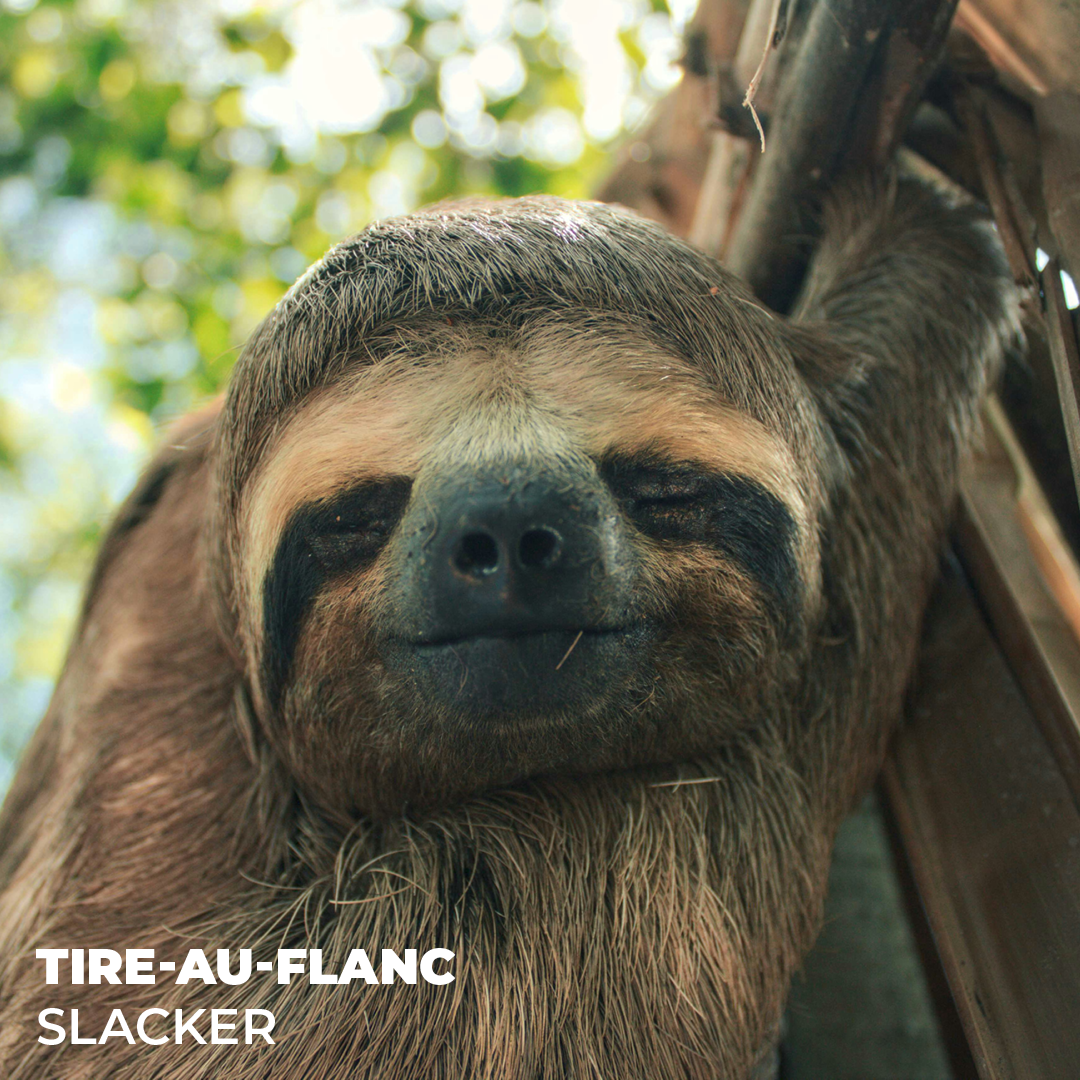
Meaning ‘to pull’, the French verb tirer is a handy one to have up your sleeve. From piggybank to handkerchief, many fun words and expressions take tire as their logical (and literal) *racine. Commit them to memory, then pull them out whenever you want to impress your French friends with your vocab.

 
(Larigot refers to a small flute played – often endlessly – in the Middle Ages)

*stem

10 Popular Resolutions

It’s that time of year again, when we set the best intentions for the 12 months ahead. Whether you make them and break them or avoid them altogether, here are ten of the most common *bonnes résolutions across the globe.


*New year’s resolutions

10 Popular Christmas Gifts

With just over two weeks until Christmas, the clock is ticking to get those cadeaux de Noël* wrapped and under the tree. To boost your festive French vocab, here are the ten of the most common gifts given each year around the globe.

Original? Non* Appreciated? On verra*.

*Christmas gifts | *No | *We shall see

Légumes d'automne

While we swelter through the arrival of spring, in France it’s time to tuck into comforting autumnal dishes like *les soupes et les gratins.

From root veggies to leafy greens, here’s what’s in season in the Northern hemisphere – *les légumes d'automne our French friends are enjoying.

*soups and gratins | *autumn vegetables

Winter Sports

Does your winter sports repertoire begin and end with “*J’aime faire du ski?” Don’t worry, we can help. Read on and expand your horizons with this cheat sheet to *les sports d’hiver.

*I like skiing | *winter sports

Tour de France Vocab

Get your forty winks now, cycling fans, because Le Tour is back – and you know what that means. Kicking off on 5th July, the 112th edition of the premier international cycling event, Le Tour de France, will see 23 *équipes traverse 3,320 kilometres of picturesque terrain over three action-packed weeks. As plenty of eager Aussies swap sleep for late nights glued to SBS.

Want to impress your colleagues at the water cooler with your informed cycling chat? Here are a handful of phrases to pedal out in the local lingo.

 You can find a more comprehensive list here.

*teams

The Best Hikes in France

If you prefer your holidays far from bustling cities and crammed coastal resorts, with a healthy dose of fresh air, Lonely Planet’s guide to the best hikes in France might be for you.

And, to ensure you fit right in on *la piste, we’ve also compiled *une liste of handy French hiking vocab to learn before *votre depart.

 *the track | *a list | *your departure

Légumes de printemps

Keen gardeners and chefs will know that each season means a different crop of delicious veg to roast, blanch, sauté or grill. With spring in full bloom in the northern hemisphere, here are *des légumes de printemps you might find on *ton assiette in France.


*some spring vegetables | *your plate


Word Power: Bouche

If you want to expand your French vocab and pepper your conversation with some fun expressions, bouche*, meaning mouth, is another mot très utile* to add to your repertoire.

The following is just a little *mise en bouche (visit WordReference for a bumper list!) – but we’re sure you’ll find an expression or two that will tickle your fancy.


*mouth | *very useful word | *taster

Word Power: Papillon

Many of our students tell us they love the French word for butterfly, papillon*. Thankfully, there are plenty of opportunities to use it, too, as ce joli mot* has a surprising number of applications.

As in English, the French refer to la brasse papillon* ­– a complicated (and impressive) stroke in swimming. And you might just find yourself in need of un écrou papillon,* or butterfly nut, if you’re putting together some flat-pack furniture.

Want a few more examples to have up ta manche*? Memorise the little list below, and you’ll be sure to send your French friends into a flutter with your vocab.


*butterfly | *the pretty word| *butterfly stroke |*butterfly nut |*your sleeve

Tricky Words to Pronounce in French

From the exaggerated R to all the unpronounced letters, there’s no denying French pronunciation can be difficult for native English speakers. So, if you find yourself regularly tripping over ta langue*, rest assured you’re far from alone!

To help you gain confidence when reading aloud or conversing, here is a list of 10 everyday, notoriously tricky French mots* with helpful pronunciation tips. 

You can also find many of the same words here, plus some new tongue twisters with pronunciation included.

With a little practice (and a dash of bravado), you'll soon be reciting this list les doigts dans le nez*!

*your tongue | *words |*very easily (with your fingers in your nose)

D'accord vs ça va

Do you think you know the difference between d’accord and ça va? Es-tu sûr*? While in some circumstances these expressions both mean ‘OK’, that’s not always the case – and they’re not interchangeable. D’accord and ça va have different uses, yet even our most advanced students mix them up from time to time.

Ne t’inquiète pas*, though. After you’ve finished this lesson, tout sera clair*! And in case you get lost, just remember this:

When you want to say ‘OK’

D’accord and ça va both mean OK. However, d’accord is to do with agreement, whereas ça va is about how you are feeling or how someone or something is going. Confused? Consider how both are used in conversation below. 

D’accord

Q: Tu veux venir avec nous?
Do you want to come with us?
R: D’accord!
OK!

Q: D’accord?
OK?
R: Oui, d’accord.
Yes, OK.

In these examples, you are agreeing to an activity, idea or decision. 

Ça va

Q: Ça va? 
How are you? (Literal translation: it goes?)
R: Ça va.
OK/ fine. (Literal translation: it goes.)

Q: Je prends ta voiture, ça va?
I’m taking your car, is that OK? 
R: Oui, ça va.
Yes, it’s OK.  

In these examples, you are being asked if you are OK or if a certain situation is OK. 

Other uses of d’accord

Still with us? While ça va is quite straightforward, there are plusieurs* other uses of d’accord to wrap your tête* around.  

Être d’accord (literally, ‘to be in agreement’) means to agree with someone or something. 

Par example*

Q: Ils sont d’accord?

Do they agree? 
R: Oui, ils sont d’accord.

Yes, they agree. 

Q: Es-tu d’accord avec elle?
Do you agree with her?
R: Oui, je suis d’accord. 
Yes, I agree.

Q: Qu’est-ce que vous pensez?
What do you think?
R: Je ne suis pas d’accord avec ça. 
I don’t agree with that. 

Être d’accord pour is also used to express agreement or willingness to do something.
Par example…

Q: Vous êtes d’accord pour arroser mes plantes quand je suis en vacances?
Do you agree to water my plants while I’m on holiday?
R: Oui, je suis d’accord pour les arroser.
Yes, I’m willing to water them. 

Je suis d’accord pour travailler samedi. 
I agree to work on Saturday. 

Finally (for now), être d’accord que means ‘to agree that’.

Par example…

Il était d’accord que ce n’était pas une bonne idée. 
He agreed that it wasn’t a good idea. 

TO RECAP

Got it? Here are some common traps to avoid. 

COMMON MISTAKES

*Are you sure? | * Don’t worry | *Everything will be clear! | *several | *head | *For example

English words used in French

From ballet to faux-pas, baguette to souvenir, most Aussies unwittingly use numerous words of French origin as they go about their days. How numerous? Well, everyone’s vocabulaire* differs, but suffice it to say that approximately 7, 000 mots français* have made their way into the modern English language. (And many, many more words we use have French or Latin roots.)

But does it go both ways? Well, to a lesser extent, oui*. Today’s French is also littered with Anglicisms – especially among young, hip, pop culture vultures. 

You’re probably familiar with the food-related crossovers (hamburger, sandwich, hot dog), so here are some other loanwords to explore.