Cocorico!
Any guesses which animal makes the sound “*cocorico”, or the French word for bark? This little video is your cheat sheet for animal noises, *à la française.
* Cock-a-doodle-doo! | French style
French lessons, events & trips
FRENCH LESSONS EVENTS & GIFTS
Any guesses which animal makes the sound “*cocorico”, or the French word for bark? This little video is your cheat sheet for animal noises, *à la française.
* Cock-a-doodle-doo! | French style
From the exaggerated R to all the unpronounced letters, there’s no denying French pronunciation can be difficult for native English speakers. So, if you find yourself regularly tripping over ta langue*, rest assured you’re far from alone!
To help you gain confidence when reading aloud or conversing, here is a list of 10 everyday, notoriously tricky French mots* with helpful pronunciation tips.






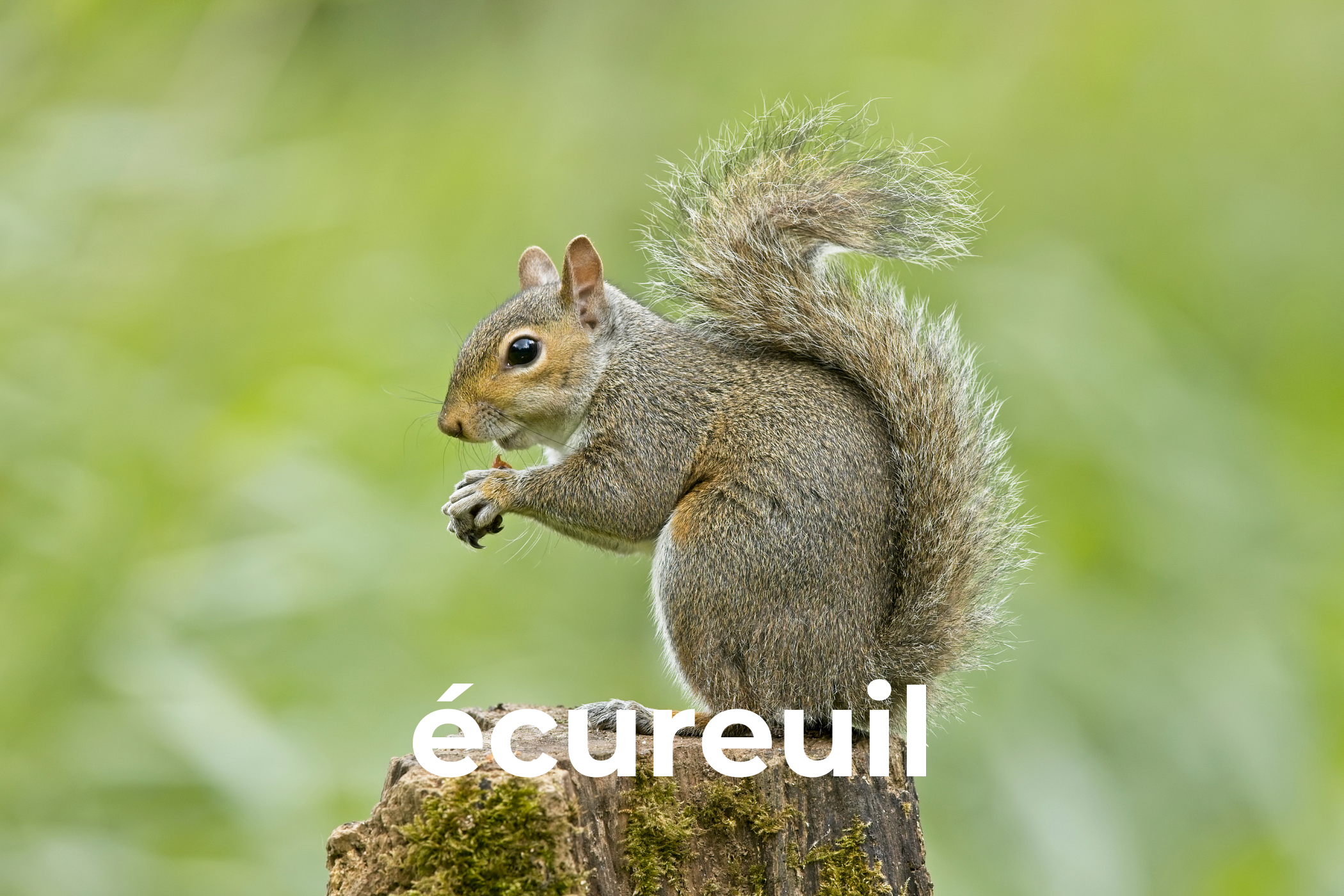


You can also find many of the same words here, plus some new tongue twisters with pronunciation included.
With a little practice (and a dash of bravado), you'll soon be reciting this list les doigts dans le nez*!
*your tongue | *words |*very easily (with your fingers in your nose)

Learning grammar and memorising vocab are tough. But for many of our chouchous*, the biggest challenge of all is mastering French pronunciation.
It’s a problem shared by language learners and this article, ’The 15 Hardest French Words to Pronounce (with English Translations)’, will make you feel seen. If not entirely heard.
This list is by no means definitive, but ne vous inquiétez pas*. Our teachers are busy compiling une liste* of the words Lingua Franca students find the trickiest, plus some essential tips to help you parlez* like pros. Stay tuned.
*teacher’s pets | *don’t worry | *a list | *speak
In the very first lesson of our Absolute Beginner 1 course, we introduce you to the idea of cognates: words shared between languages. English has more than 7 500 of these words from French, and c'est garanti* you'd use at least one a day (think 'garage', 'entrepreneur', 'ballet' 'finance' and 'au pair').
As your learning progresses, we also admit there is another phenomenon at play, that of 'faux amis', or false friends (one of our tutors, Josephine prefers to call them 'bad friends' and she's not wrong!) These are words that look like English words, but have a different meaning (attention!*: attendre, journée and préservatifs may not mean what you think they do). But let's focus on the positive and return to the vrais amis*, which offer what all good friendships do - help and support when you need it.
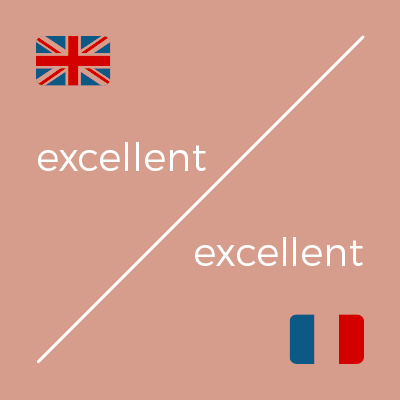
Take a couple of minutes to regarder la liste* which is helpfully categorised into useful adjectives, nouns and verbs.
Be sure to remind yourself that you're reading French as you run your eye down the list. It can be quite a mind-bending exercise. Bonne lecture*!
*it’s guaranteed | *Be careful! | *true friends/cognates | *look at the list | *Happy reading!
Undoubtedly the cutest of the French accents, this little squiggle looks a lot like a number 5 without its lid and descends from the middle of the bottom of the letter 'c'. So what does it do? It changes a hard 'c' sound to a soft one.
French works very similarly to English when the letter 'c' is followed by a vowel.

The cedilla (or c cédille in French) changes a hard 'c' to a soft one. Even our most débutant* students will have seen this at work in 'ça va', which, if not for the accent, would sound like 'ka va'.
*beginner
Savez-vous que* the circumflex accent in French was originally a combination of the acute and grave accents? Neither did we until very recently and though its effect on pronunciation these days is fairly negligible, it can be a real help in working out the meaning of the word it appears in. Regardez* the video below for a fuller explanation.
*Did you know that... | *Watch
Katrina explains the effect of the accent grave* on pronunciation. If you think of it making the sound of the letter 'e' in the English words 'bed' or 'egg' you'll be very close indeed.
*grave accent.
I absolutely love teaching about the acute accent (accent aigu in French). I find it really interesting.
Firstly, it's a sound we're relatively familiar with even before we come to learn French, since it appears in some very common words we've borrowed: café, risqué, touché, for example.
Secondly, there is a really neat trick I was taught by my French teacher which I now love to pass on. It goes like this: if ever you're faced with a French word that starts with an 'é' and you're having trouble deciphering it, try dropping the 'é' and replacing it with an 's' instead.
For example:
étranger = stranger
état = state
Écosse = Scotland
Pourquoi? Well, the history of language is a long and complicated one, but this is my simple (and by no means authoritative) take on it. Modern French is derived from Latin via Old French. Several other modern languages are also based on Latin, for example Italian, Spanish, Portugese and Romanian. These are often called western Romance languages. If we take an example of the evolution of the word 'study' from Latin to Old French to Modern French, you may start to see an interesting pattern.
Latin: studium
Old French: estude
Modern French: étude
Can you see how when the 's' dropped out of use in the transition between Old and Modern French, the acute accent makes an appearance? It seems English borrowed many words from Old French, and just removed the 'e' over time, leaving us, in this example at least, with 'stude' which is quite close to the Modern English word 'study'. Interestingly, Spanish also borrowed many words at this stage, and yet they chose to keep the 'es' (their word for study is 'estudio').
This past week at Lingua Franca we've been holding free trial lessons in the run-up to a new term. One day, we had a small group including an absolute beginner, an intermediate (but slightly rusty) speaker and someone who was really quite advanced. I decided to do a quick lesson on the French accents, as it is suitable for all levels and en plus* it's heaps of fun! I thought you might like it too, so this week we made a short video explaining my favourite accent of the five, le tréma*. Enjoy.
*plus *the trema (or the two dots you sometimes see above a vowel in French).
Meet Cameron. He is about to embark on a trip to France and wants to learn some essential words to get him through his trip. Watch the video to know how to make a great first impression with les français! At the end of the video, make sure you head over to mylinguafranca.com to work on your pronunciation.
Read More